







The original aperitivo to impress your guests
When it comes to aperitivi, there is one essential element: the small bites. There are many ways to make this social and relaxing occasion a special one, and preparing a nice board of quality cured meats and cheeses is definitely one of them. The important thing is to enjoy the evening, savouring the good company, quality products and unique flavours.
How the aperitivo was born
The Italian aperitivo is a tradition rooted in the cultural and social fabric of the Bel Paese, a ritual that combines good company, delicious food and great drinks for a unique experience. Its origins can be traced back to the ancient Roman practice of "aperire", which consisted of eating small portions of light food and drink to “open” the stomach before a main meal. Intended to stimulate the appetite and prepare the palate for the flavours to come, this ritual has been passed down through the centuries, taking on different forms in the various Italian regions. The aperitivo as a drink originated in Turin at the end of the 18th century, when Antonio Benedetto Carpano created Vermouth, an aromatised wine that remains a classic accompaniment to aperitivi food today.
However, it was in the vibrant setting of 1920s and 1930s Milan that the aperitivo began evolving into its modern form. During this period of fervent creativity and cultural vitality, Milan's bars and cafés became the ideal places to socialise and exchange ideas. Public establishments soon began offering their patrons a selection of appetisers and small dishes to accompany their drinks. This seemingly simple gesture turned into an unprecedented social phenomenon, creating an opportunity for the workers, artists and intellectuals of the city to come together and unwind. Over time, the aperitivo spread throughout Italy, taking on different regional nuances and becoming a true daily ritual for many Italians. Today, it is not just a chance to satisfy afternoon hunger or quench thirst, it is a moment of sharing and enjoyment with friends and family, where gastronomic specialties meet artisan cocktails and fine wines. It is an experience that combines the pleasure of the palate with the richness of Italian culture, and one that continues to captivate tourists as well.
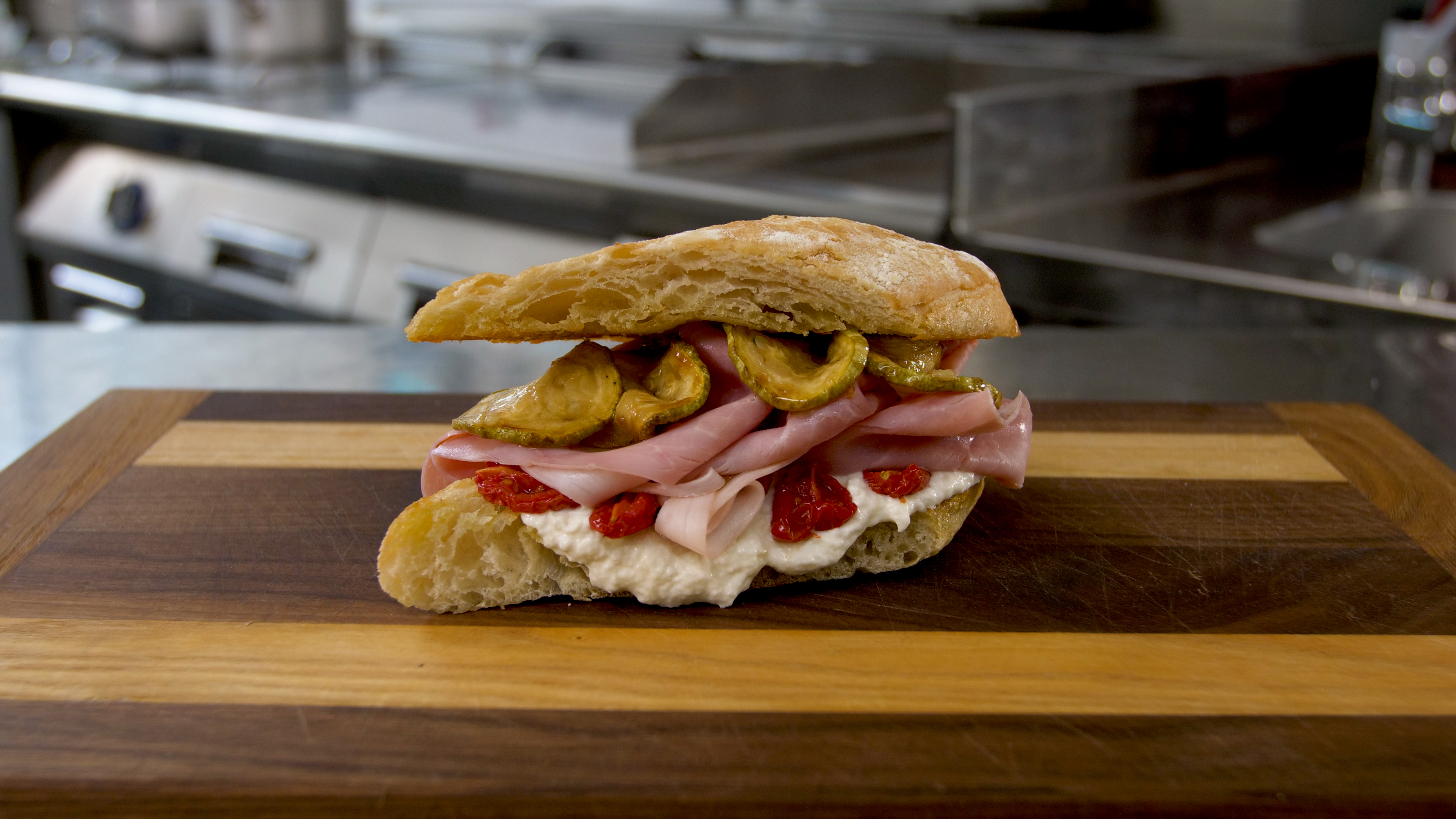
Throughout Italy, you really do find appetisers of all kinds. From simple snacks like nuts and crisps, to more elaborate selections, including fried foods, tramezzini, mini panini and all sorts of other culinary creations, each place offers its own interpretation. This diversity is precisely what makes the aperitivo so special: an opportunity to discover new flavours while enjoying conversation and conviviality. A well-made aperitivo is all about new ideas and great taste, even at home: Have you ever treated your guests to a beautifully arranged charcuterie board?
A charcuterie board brimming with flavour
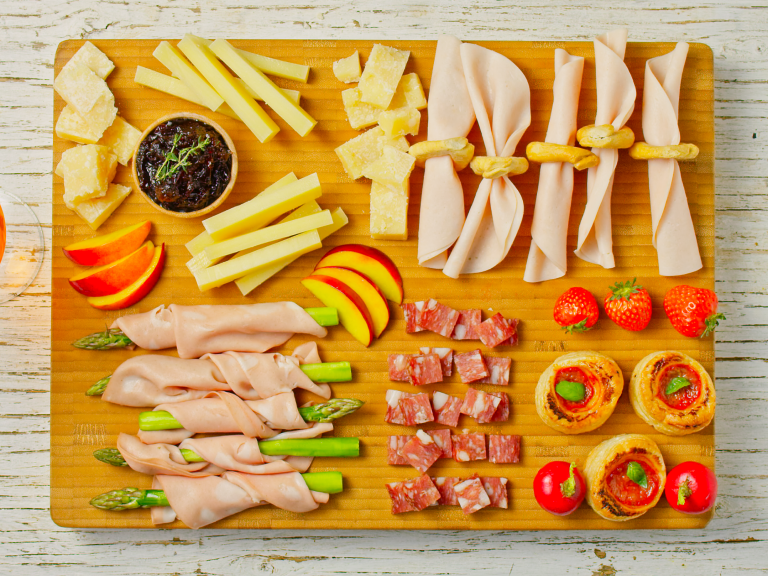
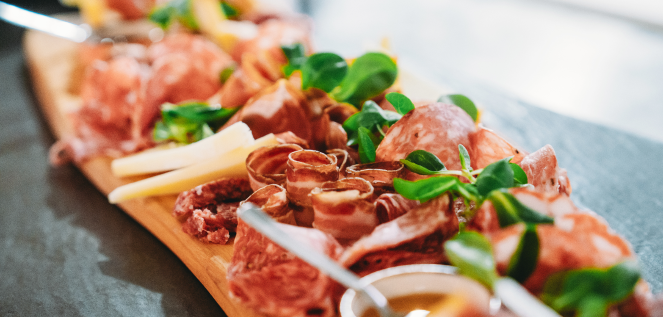
No aperitivo is complete without a generous selection of delicious bites—or, in our case, a beautifully curated charcuterie board. Let’s explore how to create the perfect one to impress your guests.
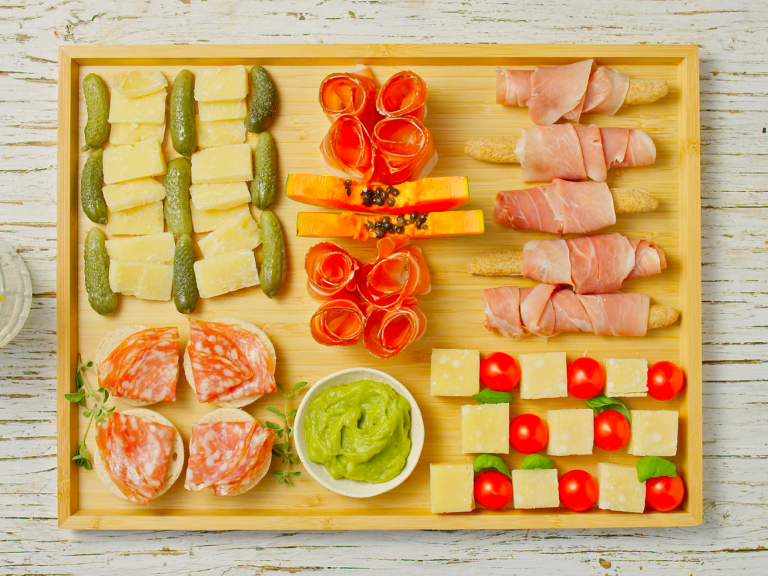
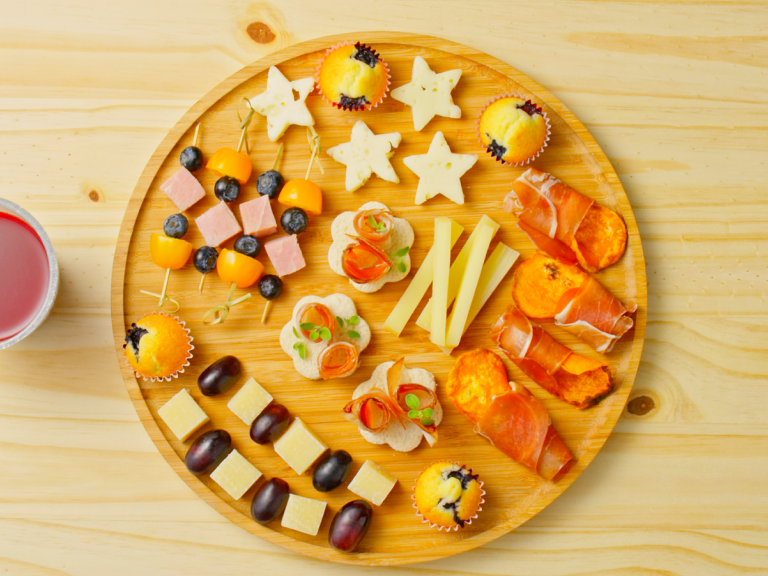
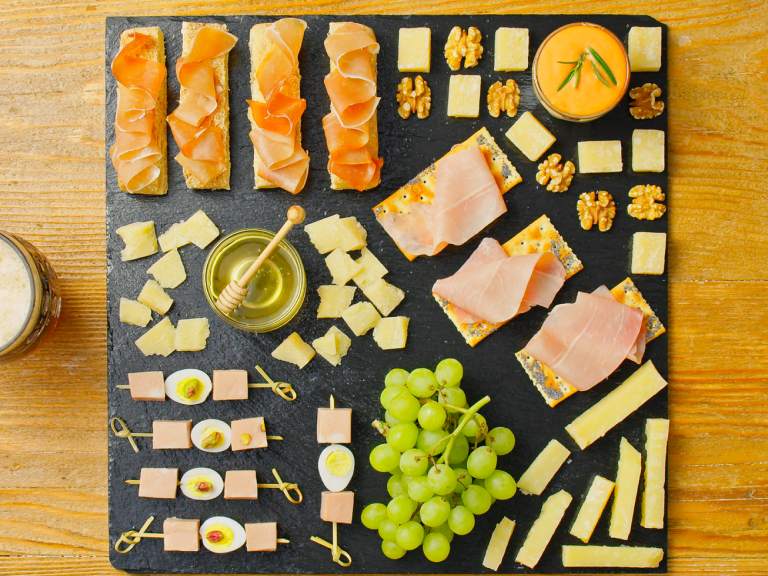
First of all, remember that presentation is just as important as taste. The shape and size of the board are key: a wooden board is ideal, both for its natural elegance and its suitability for serving cured meats and cheeses. Make sure it’s large enough to give each element space to stand out— big boards not only enhance the visual impact but also make it easier for guests to enjoy every bite.
Now, let’s move on to the essentials. A well-balanced selection of cured meats is at the heart of any great charcuterie board: prosciutto crudo, prosciutto cotto, mortadella, salami, and speck are all excellent choices. For a more adventurous touch, add pancetta, coppa, or local specialties—each region offers unique flavors worth discovering. Equally important is the cheese selection. Choose high-quality products and aim for a variety of textures and intensities. Parmigiano Reggiano aged 30 or 40 months is a standout choice, perfect alongside the other elements on the board. Serve it in chunks and shavings of different sizes to suit every taste. Complement it with a mix of aged and fresh cheeses to create a harmonious balance.
For a gourmet touch, include small bowls of jams, honey, and nuts to pair with the cheeses. Add crostini, grissini, and olives to create a rich and dynamic board that keeps guests curious and engaged. To complete the experience, serve mini focaccias, tartines, or bruschette —perfect companions to the flavours of the board.
With the right combination of quality ingredients, thoughtful presentation, and a touch of creativity, your charcuterie board will become the star of the aperitivo.
Sources:
Wikipedia, Apertivo. wikipedia.org https://it.wikipedia.org/wiki/Aperitivo
Carpano https://www.carpano.com/it/storia/?age-verified=fb961e2e71
Campari Academy, Dalle Origini Ad Oggi: L’Aperitivo Ritorna Al Futuro. carpano.com https://www.campariacademy.com/it-it/inspiration/dalle-origini-ad-oggi-laperitivo-ritorna-al-futuro/